
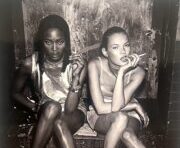
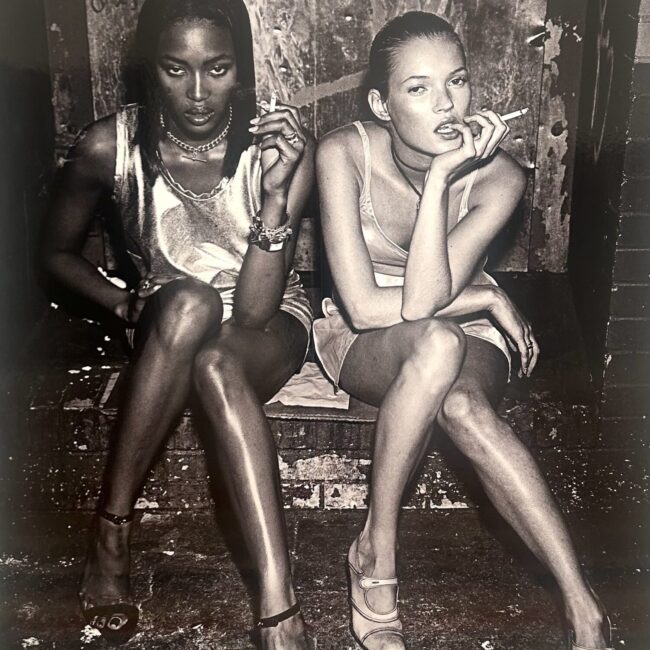
Oh, where to begin with a review of The 90s: Art and Fashion, the show opening at London´s Tate Britain gallery tomorrow? Well, firstly, if you’re reading this, congratulations, you are likely to have survived one of the most hedonistic decades in human history. A creative, spirited, affordable decade without boundaries; however, largely without effective HIV medication and with far fewer human rights than those enjoyed now.
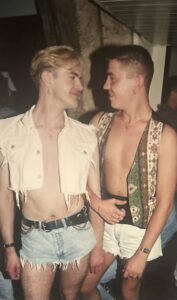 I imagine this was a very hard show to curate. The 90s spawned countless art and fashion creatives all worthy of inclusion in this show, so who to include and who to exclude in the limited space of Tate Britain? Second, 90s imagery remains ubiquitous, so how do we create a show that reflects the decade without looking obvious or nostalgic? And finally, many of us have such ownership of that decade, and lived life to the max back then, so any curation of our decade by other people is bound to have glaring omissions.
Let’s put all that aside and focus on the positive. The 90s began in a recession, meaning commercial rents were very cheap. This allowed a whole generation of young twenty-something creatives, drawn from across youth culture – 80s rave culture, the emerging queer scene, art colleges, musicians and so on – to hone their craft. The cheap rents, combined with a rebellion against the fading Tory establishment, and, for more than a few, a love of cocaine and ecstasy, united British youth. Our artists, photographers, fashion designers, magazine publishers, musicians and so on became the talk of the world, and soon many were earning very good money, further facilitating the 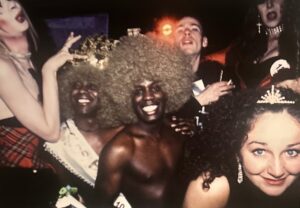 movement. The outsiders became the rulers and shapers of society.
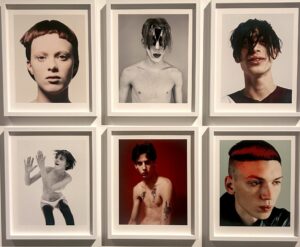
Curator, ex-Vogue Editor Edward Enninful, has taken this and run with it, fortunately steering clear of nostalgia and nepotism. The first couple of rooms explore the decade´s raw aesthetic through the lens of queers, people of color, and women. Highlights here include Corinne Day’s portraits of Rosemary Ferguson and Juergen Teller´s iconic image of Kate Moss with pink hair, both photographers expanding ideas around beauty.
The next room highlights the UK´s 90s club culture as well as Vinca
Petersen´s work documenting the 90s alternative rave and festival scene – Spiral Tribe and so on. This is a fun room – we were really brought together by clubs, festivals and, it has to be said again, cocaine and ecstasy. Relationships forged on the dance floor often went on to bigger, more creative journeys in business.
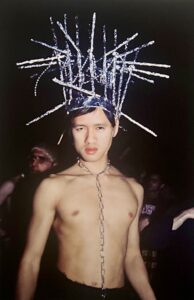 This creative youth movement faced little pushback. We were good for business. At one point in the 90s, the top ten highest-grossing pubs in the UK were all gay bars. Emboldened by this success, creators pushed the boundaries of creativity. The next room explores body shock, showing the beautiful work of Hamad Butt alongside the more provocative, dark gothic work of Alexander McQueen and Jake & Dinos Chapman. Art, fashion styling and accessories became harder and fiercer. These were, after all, fraught, often wretched, times for many, with AIDS deaths peaking in 1995 before combination therapy was introduced in 1996. An interesting room exploring technology, minimalism and the fusion of art and fashion follows. Damien Hirst, Wolfgang Tillmans and Hussein Chalayan´s work feature here. Other rooms highlight 1990s black culture and British creatives’ references to the past.
Its a smaller show than many would like – the subject is huge, and many of those featured warrant a whole room to themselves rather than just one exhibit – but there’s enough to entertain you and take you back to that vibrant, raw, ball-of-energy decade. A decade where British creative talent ruled.
|
The 90s: Art and Fashion |
RIS FATAH SENIOR CONTRIBUTING EDITOR London & Ibiza
Queerguru Contributing Editor Ris Fatah is a successful fashion/luxury business consultant (when he can be bothered) who divides and wastes his time between London and Ibiza. He is a lover of all things queer, feminist, and human rights in general.

Leave a Reply