

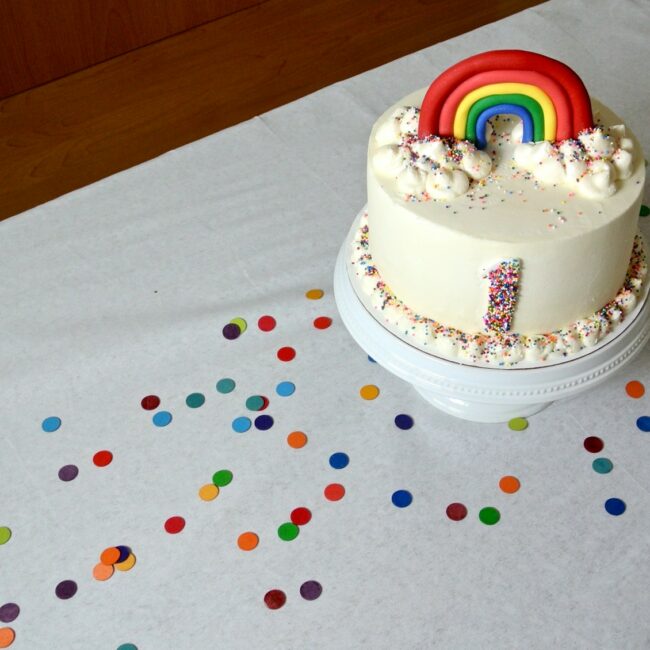
Food is often the heartbeat of a wedding celebration. It’s where guests gather, conversations flow naturally, and memories quietly form around shared tables. For LGBTQ weddings, catering can carry even deeper meaning—it becomes a reflection of identity, chosen family, cultural background, and the unique story of the couple. Thoughtful catering goes beyond serving good food; it helps create an atmosphere where everyone feels seen, respected, and welcomed.
One of the most important aspects of wedding catering is personalization. LGBTQ couples often come from diverse backgrounds, sometimes blending different cultures, traditions, or family expectations. This makes menu design an opportunity rather than a limitation.
Instead of defaulting to standard wedding menus, many couples choose dishes that represent meaningful parts of their journey. That might include meals from the city where they met, comfort foods from childhood, or dishes from different cultural heritages being brought together. A well-designed menu can quietly tell a love story without a single speech.
Interactive food stations can also be a strong choice. Build-your-own taco bars, pasta stations, or grazing tables allow guests to engage with food in a relaxed, social way. This flexibility also helps accommodate a wide range of dietary needs without making anyone feel singled out.
Inclusivity in Dietary Needs
Inclusive catering isn’t just about identity—it’s also about accessibility. A modern wedding menu should consider dietary restrictions such as vegetarian, vegan, gluten-free, halal, kosher, or allergen-sensitive options.
Instead of offering one “special meal” for guests with restrictions, many couples now aim for a fully inclusive menu where multiple options are equally appealing. For example, a plant-based entrée should feel just as thoughtfully crafted as the main meat dish, not like an afterthought.
Clear labeling is also essential. Simple, elegant signage at food stations helps guests make confident choices without having to ask personal questions. This small detail can significantly improve comfort for guests who may already feel uncertain in unfamiliar social settings.
Celebrating Cultural Fusion in Food
Many LGBTQ weddings naturally blend cultures, especially when partners come from different backgrounds or families. Catering can be a beautiful way to honor that mix.
Fusion menus are increasingly popular, combining flavors and techniques from multiple cuisines. Think Korean barbecue sliders paired with Southern-style sides, or Mediterranean dishes served alongside Caribbean-inspired cocktails. The goal is not to dilute traditions but to celebrate them side by side.
Couples may also choose to incorporate symbolic dishes that carry cultural meaning. These can be served during specific parts of the reception, such as the cocktail hour or late-night snack, adding depth to the celebration.
Alcohol and Beverage Choices
Beverage planning is another important layer of wedding catering. While not every wedding includes alcohol, many receptions do, and inclusivity should guide these choices as well.
Signature cocktails are a popular way to personalize the drink menu. Couples often name drinks after shared memories, pets, favorite places, or inside jokes. Offering both alcoholic and non-alcoholic versions of signature drinks ensures that all guests can participate in the experience.
A strong mocktail menu is especially important. Rather than simply removing alcohol from cocktails, modern catering trends focus on crafting non-alcoholic drinks with the same level of creativity and presentation. Fresh herbs, infused syrups, and seasonal fruits can elevate these beverages into something special.
Many couples also opt for a coffee cart hire service to elevate the beverage experience. A mobile coffee station can offer freshly brewed espresso drinks, iced coffees, and specialty lattes, giving guests a warm, social space to gather throughout the reception. It also adds a cozy late-evening option that keeps energy flowing on the dance floor.
It’s also important to ensure that staff are trained to serve all guests respectfully, without assumptions about drinking preferences.
Presentation and Atmosphere
Food presentation plays a huge role in setting the tone of the wedding. LGBTQ weddings often embrace creativity and individuality, and catering design can reflect that energy.
Buffet tables, plated dinners, and family-style meals all offer different emotional tones. Family-style dining, for example, encourages sharing and conversation, reinforcing the idea of chosen family and community support. Meanwhile, plated service offers a more formal, elegant experience.
Decorative elements like table styling, color coordination, and serving ware can subtly align with the couple’s theme without feeling forced. Some couples incorporate pride-inspired colors in small accents, while others prefer a more understated aesthetic that still feels deeply personal.
Communication with Caterers
Clear communication with catering teams is essential. Couples should feel comfortable discussing not only menu choices but also expectations around inclusivity and respect.
This includes ensuring that staff use correct names and pronouns if interacting directly with the couple or guests. It also means confirming that the catering team is experienced in handling diverse wedding environments with professionalism and care.
It can be helpful to schedule a tasting session, not just to sample food but to assess how well the caterer understands the vision. This is also a chance to adjust portion sizes, presentation styles, and service flow before the big day.
Budgeting Without Compromising Experience
Wedding catering can be one of the largest expenses, but thoughtful planning helps balance cost and quality. Prioritizing what matters most—whether that’s a gourmet dinner, a lavish dessert table, or creative late-night snacks—can help guide budgeting decisions.
Some couples choose to allocate more budget toward signature elements like a standout main course or custom cocktails, while simplifying other areas such as appetizers or dessert variety. Others prefer a consistent mid-range menu with strong variety and generous portions.
Buffet or food station formats can sometimes be more cost-effective than plated service while still offering a high level of guest satisfaction.
Final Touches That Make a Difference
Small details often leave the biggest impression. Late-night comfort foods like sliders, fries, or pizza can keep energy high on the dance floor. A dessert table featuring both classic and modern treats can appeal to a wide range of tastes.
Personal touches, such as handwritten menu cards or stories behind each dish, can also add emotional depth to the dining experience. These details remind guests that the celebration is not just about food, but about love, identity, and community.
Ultimately, LGBTQ wedding catering is about more than logistics or aesthetics. It’s about creating a space where everyone feels included at the table—literally and emotionally. When food reflects authenticity and care, it becomes part of the love story itself, shared bite by bite with everyone present.
| QUEERGURU’s Lifestyle Editor PETER MINKOFF is a gay health and lifestyle writer at QUEER VOICES magazine. Besides writing, he worked as a freelance fashion stylist in Europe and Australia. A true craft beer and soy latte aficionado, he loves spending his days at the beach and visiting second-hand stores on a daily basis. Follow Peter on TWITTER for more tips. |
