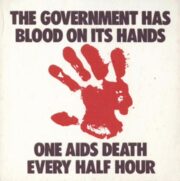
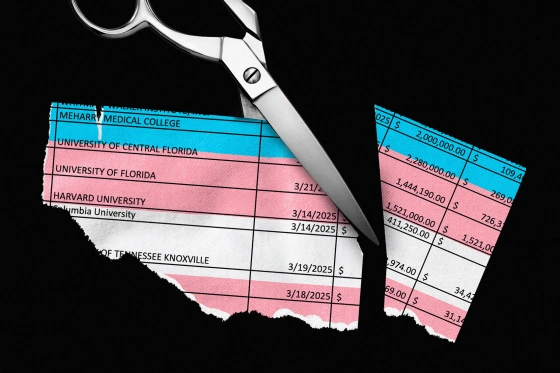
When Queerguru first moved to Florida, it was a very Blue State,… we still remember those Good Old Days. Now that we have a Governor who is a would-be-Orange Man (!), and we are not only Red, but for some reason we are not ‘safe’ as all the other Red States, and we are having to face ruthless cuts regardless.
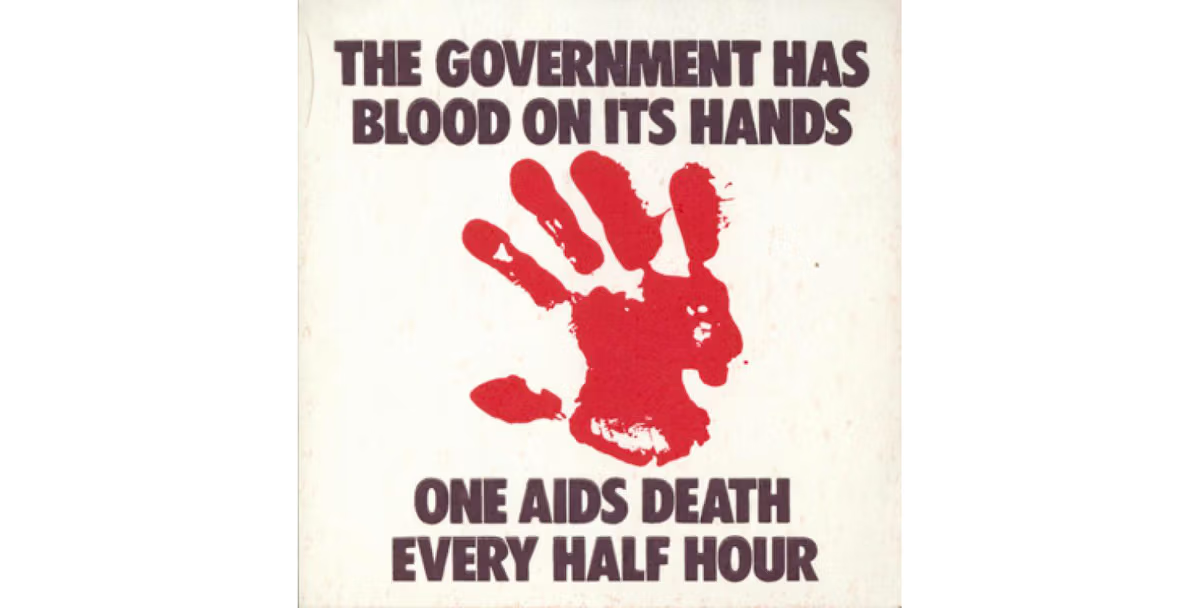
Ron DeSantis’ administration is blaming rising health care costs and Congress for cutting off life-saving access to affordable AIDS drugs to thousands of Floridians next month. But the administration’s own actions will cripple the program. Florida is planning to kick patients in the AIDS Drug Assistance Program off their state-paid health insurance, eliminating the initiative’s main source of revenue. And while the state has cited October’s government shutdown as the impetus for its decision, the Herald/Times found that Department of Health leadership forced out key employees months earlier and did little to reform the drug program, despite their longstanding frustrations with it. The decisions leave as many as 12,000 people — many of whom are members of the LGBTQ+ community, a population DeSantis’ policies have targeted — scrambling to find ways to afford medication that could cost them thousands of dollars per month without the program’s subsidies. “It’s like the ‘90s all over again,” said Sharon Murphy, a longtime Florida AIDS certified registered nurse. “They’re trying to wipe out our population.”
No other state has made cuts to Florida’s level, even as those states similarly deal with ballooning costs. As the state has planned changes, it has operated in secrecy. The department’s own HIV planning board stopped getting updates about the drug assistance program from the state about a year ago. News about impending changes was initially communicated to health clinics by phone call instead of in writing.
Florida’s AIDS Drug Assistance Program helps people afford care in two main ways: by directly providing them with their medicine or by paying for a person’s health insurance. When the program started, it was centered around federal grant money, which the state still receives. But the bulk of funding comes from drug rebate money. When the state gives the drugs directly, it doesn’t make money. Instead, it purchases the drugs at the lower price negotiated for AIDS drug programs with pharmaceutical companies. But the program has the opportunity to bring in millions in extra revenue when it pays for patient health insurance, often purchased through the Affordable Care Act marketplace.
 Drug companies incentivize the health insurance support, giving the state rebate money that covers the insurance spending. Experts say when optimized, those rebate dollars can cover the state’s spending on health insurance and bring in extra program money on top of it. The federal government encourages states to help AIDS patients who have health insurance because it’s the most cost-effective way to provide care. That was a win-win for the state, employees realized. Florida could help more people in need and prevent waitlists. State data also showed that insured patients had better health outcomes. As the department’s premium program took off about a decade ago, the AIDS drug assistance program steadily grew even as federal grant money plateaued.
In the most recent fiscal year with data available, rebates from premiums made up two-thirds of the AIDS program’s funding — about $200 million — and about half of the state’s AIDS drug patients were getting insurance help.
If you compile all these national cuts with the even more dramatic cuts to overseas program then as The Guardian just reported they could cause 22m avoidable deaths by 2030. All of this in the same week the NY Times published this.