
The intersection of LGBTQ identity and disability creates complex challenges that affect individual experiences. The community members who belong to both groups experience multiple difficulties, which include social, medical, and financial issues, but they manage to develop strong support networks. Understanding these realities helps foster greater inclusion and more responsive services. The following insights highlight important aspects of life for LGBTQ people living with disabilities, from identity and community to healthcare access and financial protection.
Intersectionality Shapes Daily Experiences
The identity of most LGBTQ disabled people exists through the combination of three essential aspects that define their existence. The three factors that shape public, workplace, and healthcare perceptions of people include their sexual orientation, gender identity, and disability status. Some individuals may face misunderstanding or discrimination because others believe in stereotypes about both groups. People who experience intersectionality develop stronger personal awareness, together with a better ability to connect with others. People who want to learn self-advocacy skills will teach others about inclusive practices. The organization establishes its identity framework by recognizing that people have multiple identity dimensions that require both accessibility and LGBTQ rights protection.
The Importance of Inclusive Communities
Supportive communities serve as essential elements for achieving improved well-being. The LGBTQ community, which includes disabled individuals, needs safe spaces where both their sexual orientation and disability rights are recognized. Community groups, together with online forums and advocacy organizations, provide members access to social networks that enable them to exchange personal stories while obtaining support materials. Inclusive environments lead people to take part in social activities and community service work and programs, which help them connect with others. The implementation of accessibility measures through mobility-friendly venues, captioning, and sensory-friendly gatherings enables more people to participate in activities. Inclusive communities promote better mental health outcomes while decreasing social isolation and enabling individuals to show their true selves.
Insurance Protection and Financial Security
The financial planning process becomes critical when clients face disability that disrupts their capacity for work and their ability to earn money. The insurance products, which include disability coverage and total and permanent disability (TPD) coverage, can deliver essential assistance to policyholders. The process of handling policies and submitting claims proves difficult to understand, especially for people who need to handle their existing health issues. In some cases, people choose to hire experts to help them make TPD insurance claims and understand the legal and administrative requirements involved. Experts help people to determine their eligibility requirements while they collect the essential papers, which will increase their chances of winning their case. Complete insurance coverage provides people with peace of mind, which enables them to sustain their financial independence throughout challenging situations.
Barriers and Progress in Healthcare
The public needs to have appropriate healthcare services. The process of finding suitable healthcare providers proves challenging for LGBTQ disabled individuals because they need professionals who understand their disability requirements and provide gender-affirming care. The treatment process suffers from three main obstacles, which include communication problems, clinic accessibility issues, and provider knowledge gaps. The situation shows signs of progress which continues to develop. The majority of healthcare organizations now implement training programs that cover inclusive language use and accessibility requirements and patient-centric healthcare delivery methods. Medical professionals who spend time getting to know their patients’ personal situations will treat them with dignity and provide them with proper assistance. The healthcare system needs ongoing education to solve its present problems.
Advocacy and Visibility Drive Change
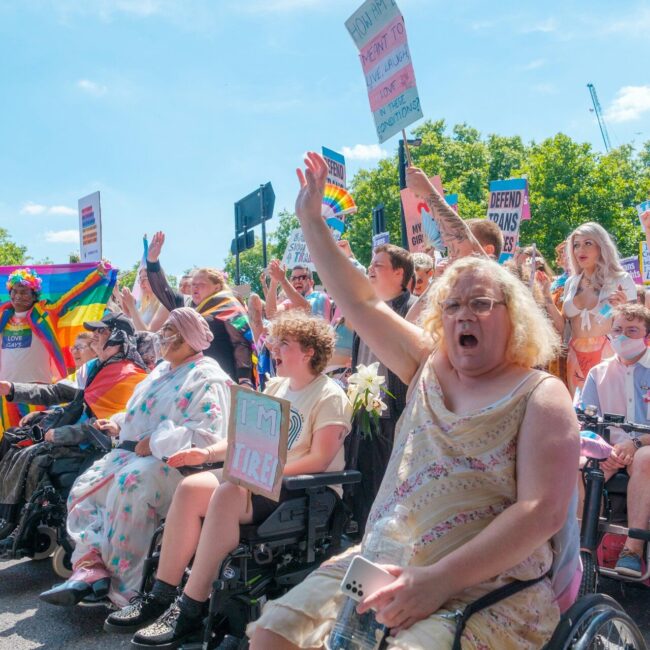
The recognition of LGBTQ people with disabilities has advanced through successful advocacy efforts. Activists and educators, together with community leaders, work to demonstrate existing problems which involve accessibility issues, representation deficiencies and policy gaps. Increased institutional visibility leads organizations to assess their current operations while developing inclusive operational methods. The process of sharing personal stories creates accessible Pride events together with disability-inclusive workplace policies, which serve as the starting point for societal development. Advocacy creates public awareness while it drives cultural transformation, which results in reduced obstacles for future generations to overcome.
In conclusion, LGBTQ individuals living with disabilities bring diverse perspectives, resilience, and leadership to their communities. The society needs people to advocate for and spread awareness about existing healthcare access challenges, together with social inclusion difficulties and financial security problems, because these efforts will create a fairer society. By recognizing intersectionality, supporting inclusive environments, and improving services, communities can ensure that everyone has the opportunity to live authentically and with dignity.
| QUEERGURU’s Lifestyle Editor PETER MINKOFF is a gay health and lifestyle writer at QUEER VOICES magazine. Besides writing, he worked as a freelance fashion stylist in Europe and Australia. A true craft beer and soy latte aficionado, he loves spending his days at the beach and visiting second-hand stores on a daily basis. Follow Peter on TWITTER for more tips. |
