
Most of you reading this will know that during the winter months, the QUEERGURU HQ heads south. We have paid our dues for all those bitterly cold/wet London winters that shaped our past. We settled in Miami Beach, which, like our old hometown, has such a diverse population and a significant queer community. Its culture is entirely different, and whereas, for example, it may not have the sheer vast opportunities like London’s superb collection of museums, what it lacks in quantity ot makes up in quality.
The best example of this is The Wolfsonian–FIU, a museum, library, and research center that uses objects to illustrate the persuasive power of art and design, and to explore what it means to be modern, and to tell the story of social, political, and technological changes that have transformed our world. Founded by Mickey Wolfson Jr., a prominent Miami Beach native and avid collector of modern design, decorative arts, and architecture, it is the heart of the Art-Deco District. It originally housed Wolfson’s private collection, but in 1997, just two years after opening, the museum and its massive collection were gifted to Florida International University
Now the collections comprise more than 200,000 items from the period 1850 to 1950—the height of the Industrial Revolution to the end of the Second World War— and include fine arts, decorative arts, graphic design, industrial design, architectural drawings, rare publications, and ephemera.
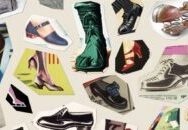
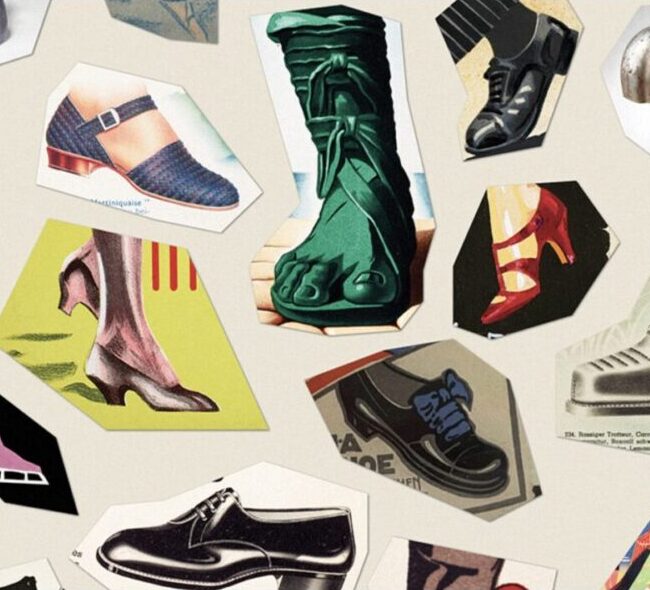
 Now the Museum is about to present a brand new exhibition Foot Notes: Shoes, Symbolism, and Society, which will explore culture in the first half of the 20th century through shoes, highlighting breakthroughs in materials, technology, and design. Drawing from The Wolfsonian’s collection and featuring rare loans, the exhibition will uncover unexpected stories about footwear and how the design and symbolism of shoes intersect with politics, identity, and everyday life. Shoes by designers like Salvatore Ferragamo and Beth Levine will be in dialogue with broader histories of merchandising, innovation, propaganda, and recreation.
Through nearly 150 objects, Foot Notes connects fashion to history, design innovation, and cultural trends, proving that everyday objects are much more than they seem
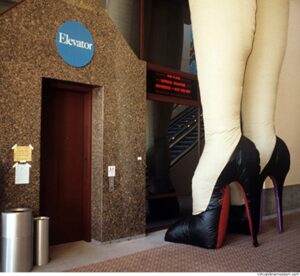 Upon entering The Wolfsonian’s lobby, visitors will be greeted by Ann Slavit’s Della (Waiting), 1978, a twenty-foot pair of larger-than-life inflatable legs in heels. The exhibition goes on to explore milestones in technology and design, featuring an X-ray shoe sizer from the late 1940s and a 1930s stocking finishing machine. The use of shoes in advertising includes a 1944 Prague ad for Krása women’s shoes that exemplified both
 graphic design and wooden heel styles of the time. Also included in the exhibition are photographs of 1920s and 1930s shoe window displays, an art form that helped entice desire. An ad from Hungarian illustrator József Amberg for Harry’s Finest Leather Polish highlights the care and maintenance required for leather
The exhibition will also present shoes and ephemeral material related to Beth Levine, a preeminent mid-century designer in the United States. Under the brand named for her husband, Herbert Levine, she was known as “America’s First Lady of Shoe Design” until her passing in 2006. She popularized mules (a slip-on style of shoe with no back), invented a stocking/shoe hybrid, and reintroduced boots to 1960s fashion. Nancy Sinatra wore Beth Levine-designed boots for the promotional materials for the 1966 hit song “These Boots Are Made for Walkin’.” Instrumental in fashion and design, Levine was a trailblazing American woman in a traditionally male-dominated field.
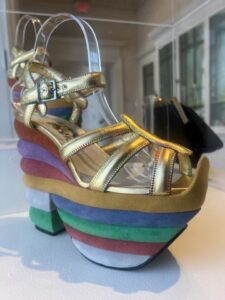 Ferragamo shoes have been loaned to the exhibition, including one notable pair of rainbow, platformed sandals created for Judy Garland. Known as the “Shoemaker to the Stars,” Salvatore Ferragamo immigrated from Naples and settled in Southern California in 1915, where he rose to prominence in the film industry. In 1927, Ferragamo returned to Italy and established a permanent home for his namesake company in Florence.
|
The exhibition is curated by Danielle Charlap and will be on view July 2, 2026, to Feb 28, 2027. The Wolfsonian–FIU |
