

British youth culture probably physically peaked around the late 1980s / early 1990s. After all, thanks to the mid-1960s baby boom, there were an extra million of us at that point, looking to be entertained. This was a period of peak ecstasy, Acid house, raves, and a very busy bar, pub, gig and club culture in general. UK magazines like The Face, Blitz and ID ruled youth media. Evil UK PM Thatcher had resigned, the Berlin Wall had come down, rent and life in general were cheap and we were ready for action. We were very good at going out and having fun. The UK TV industry sought to capture this energy, and youth TV proliferated, with shows like Network Seven, Rapido, The Word and Reportage vying for our attention.
This was also the era of peak MTV in the USA and studio heads sought a way to capture that British youth energy for its audience. Aside from its VJs and a select edit of videos on rotation – I seem to recall a Paula Abdul video popping up almost every hour – MTV was also known for its very innovative promo links. These short, sharp video links appeared frequently and were the genius work of an MTV staffer, twenty-something Mark Pellington.
His links became more and more elaborate and eye-opening, so much so that eventually he was commissioned by MTV to create his own TV show, alongside fellow founder, ex-ABC News producer Jon Klein, and Buzz was born.
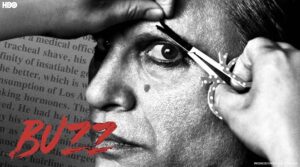
Buzz was a radical, experimental 30-minute current affairs and video art collage series which began its 13-episode run on MTV in March 1990. Produced in London by an international team of early twenty-somethings, each episode had a different theme and its ultimate aim was to unite youth globally. After all, MTV had a massive global audience. The result was a fusion of art, current affairs, celebrity and culture.
Hosted by Ru Paul, Buzz featured transgressive and counter-cultural thinkers such as William S. Burroughs, Timothy Leary, David Byrne, Malcolm McLaren, Jenny Holzer and even Jon Bon Jovi. The format was a fast channel-flipping vibe, very similar to TikTok now, with some images on screen for fractions of a second. Flashing imagery combined with soundtracks that even featured random computer noises. It took youth TV to another, very extreme, ADHD-like level. Highly technical, expensive equipment was used to produce the content, resulting in each show costing $100,000 per episode, a crazy price back then. This was a shock to MTV as their regular production costs were extremely low; they essentially just showed pop videos produced by others.

MTV didn’t promote the show. It was screened on Sunday nights at 9pm and never repeated. This limited its audience and it was pulled after the first series, largely because of its cost, and also because of what was considered by MTV execs to be dark subject matter. There was no follow-up to Buzz and its legacy was to be largely forgotten about in the annals of youth TV.
That is until now, with the launch of This Is Buzz, a documentary by original founder Mark Pellington. Using a combination of archive footage and current interviews with Jon Klein, ex-senior MTV staff, and series fans such as U2´s The Edge and Adam Clayton (who hired Pellington on the strength of Buzz) Pellington tells the tale of Buzz.
Although innovative for its analogue times, Buzz’s journey and legacy doesn’t warrant a 100-minute documentary, but what kept me watching is the opportunity to compare and contrast youth culture from then and now. The archive footage is great. The most obvious difference is that back then, white, heterosexual, middle-class, and essentially male voices dominated creative youth TV content production. Queer visibility on screen was at a minimum, and largely confined to references to the AIDS pandemic. That aside, there was definitely a larger physical youth presence in the world. We are out and about – this was a time pre-mobile phone and pre-internet, both of which have confined millions to a lot more time in bed! A couple of the Buzz creators believe that Buzz was the beginning of the 15-second content era – maybe, but I think that’s just coincidence. Its format is very relevant for now, though. Another interesting observation is that the concerns of youth – unemployment, wars, human rights, the end of the world etc – remain the same today as they did then. This story would be better told in the context of other UK-produced youth TV shows from that time, but until that programme is made, this is an interesting, well-produced show.

|
RIS FATAH SENIOR CONTRIBUTING EDITOR London & Ibiza Queerguru Contributing Editor Ris Fatah is a successful fashion/luxury business consultant (when he can be bothered) who divides and wastes his time between London and Ibiza. He is a lover of all things queer, feminist, and human rights in general. |
