
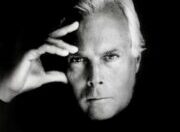
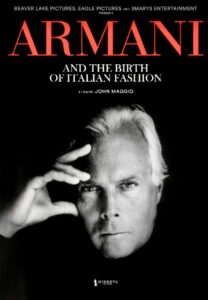
A certain kind of magic happens when the worlds of ambitious gay men and alluring, equally ambitious women collide, never more so than in the designer fashion world with male designers and their supermodel friends and Hollywood muses. Armani And The Birth of Italian Fashion, a documentary by John Maggio, traces the rise of a few of the most notable Italian designer fashion brands, Giorgio Armani, Versace and Gucci, from their humble family-owned roots to the global mega-businesses they are today. Maggio enlists the help of a glamorous cast of interviewees, including Giorgio Armani, Tom Ford, Sharon Stone, Suzy Menkes, Helen Mirren, Samuel L Jackson, Chiara Ferragni, Lauren Hutton, Frances McDormand and many more to tell this fascinating story.
Italian designer fashion found its feet in 1970s Milan, still very much in the shadow of well-established Paris, but nevertheless a heady time in a city where people really appreciate beauty, quality, art and culture. Giorgio Armani and Gianni Versace both cut their cloth – literally – at this time, the composed, Northern Italian Armani focusing on dressing more conventional women in luxurious, comfortable clothes while flashy Southern Italian Versace claimed a glamorous rock´n´roll-loving customer who wanted bright, shiny, sexy outfits. Both businesses grew quickly, attracting American press and buyer attention to Milan, which in turn led to the first Milan Fashion Week in 1979. The eighteen designers showing included Valentino, Gianfranco Ferre, Fendi, Byblos and Missoni. A healthy rivalry between the designers created a lot of heat and energy in the city. Most of the fashion houses were family-run at this point, with all the ensuing Italian big family tension and passion adding to the mix.
American department store orders came thick and fast and the 80s saw rapid growth for many fashion designers. Key moments for Giorgio Armani included his dressing of Richard Gere in 1980´s classic film American Gigolo. Who can forget the lean, sultry, shirtless Gere fingering his beautiful Armani wardrobe as he decides what to wear each day? Armani changed the male tailoring silhouette away from a very structured British Savile Row style to a more relaxed, deconstructed European style. This sent his Californian business stratospheric.
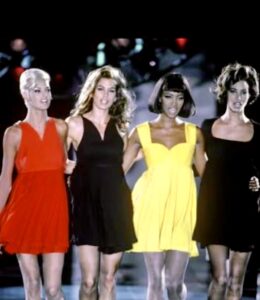
Gianni Versace also understood the power of marketing. He focused on the supermodels. His shows were awash with them. Every girl wanted to walk for Versace. One particular trick was to send several supermodels out on the runway at once. The iconic 1991 catwalk onslaught of Naomi Campbell, Linda Evangelista, Christy Turlington and Cindy Crawford arm in arm, head to toe in Versace, is as powerful a fashion image as can be.
The mid-1990s saw the addition of Gucci and Prada to the mix. Both were previously largely accessory companies. Gucci was mired in family disputes, bad licensing agreements and lacklustre product. The appointment of Tom Ford completely revitalised the brand, as did Miuccia Prada’s ascent to the throne of Prada. Gucci focused on sexy, nighttime rock´n´roll glamour, whereas Prada created a market for geeky, asexual, quite retro, beautifully-made ugly clothes.
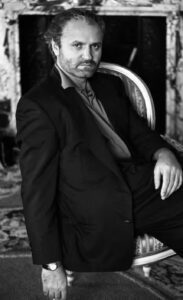
Glamour, business, and death were close bedfellows, with the horrific 1997 murder of Gianni Versace and the murder of Maurizio Gucci shocking the world. Gianni´s murder saw his sister Donatella step into his very big shoes. She held court in her inimitable way, even threatening to kill herself if she was usurped as Creative Director during a proposed Gucci/Versace partnership.
By the 2000s, the businesses were so big and powerful that their original artisanal family roots were somewhat lost in the sea of lurking venture capitalists, entrepreneurs, lawyers, and bankers. This remains the case today, which is why Maggio’s documentary is such an important piece of social history. This film was made a few years ago, whilst Giorgio Armani was still alive, and he is a generous interviewee, including personal reflections such as the 1985 loss of his boyfriend to AIDS. This is pretty much his only documentary interview ever.
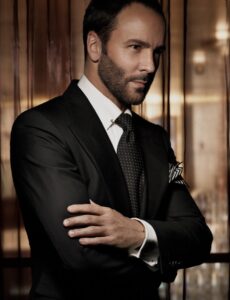
Tom Ford is also great – obviously very intelligent but also humble, honest and considerate. They are supported by particularly good insight from Suzy Menkes and Pierpaolo Piccioli as well as Rosita Missoni, Domenico Dolce, Stefano Gabbana, Santo Versace, other fashion people and the aforementioned Hollywood greats. Vintage footage and interviews with Gianni Versace blend seamlessly into the mix, combined with a great soundtrack.
The Italian Designer Fashion Industry is so big, with so many powerful, iconic brands, that this story might have been better told as a series, with each designer allocated their own episode. As it stands, while Armani, Versace, and Gucci get their stories told, other key players are either completely ignored or rushed into the last fifteen minutes of the documentary. Also, the contributions from the Hollywood actors are not very fashion literate; maybe more industry talking-heads would have worked better. Nevertheless, it was good to see how humble most major actors are at being included by the brands, not quite appreciating how their star power sells clothes. Overall, this is an excellent star-studded piece of fashion history, beautifully produced and full of insider facts and tales that even the biggest fashion junkie will not have previously known. 
|
Armani and the Birth of Italian Fashion will have its American premiere at OUTshine Film Festival |
| Queerguru’s Contributing Editor Ris Fatah is a successful fashion/luxury business consultant (when he can be bothered) who divides and wastes his time between London and Ibiza. He is a lover of all things queer, feminist, and human rights in general. @ris.fatah |

Leave a Reply